Why Cloud Flare Outage Shook Up AI Services in 2025


A recent Cloud Flare incident quickly impacted AI services, including X and ChatGPT. This issue was more than a mere inconvenience; it highlighted the interconnectedness of internet infrastructure and exposed vulnerabilities for AI companies. This significant problem prompted questions: Why did Cloud Flare so heavily influence major AI services? What does this imply for their operational resilience? The fact that Cloud Flare supports 80% of the top 50 generative AI companies underscores its critical role.
Key Takeaways
Cloudflare makes many AI services fast. It keeps them online. It gives them important tools. These tools are like CDN and DNS.
Cloudflare had problems. Then many AI services stopped. X and ChatGPT stopped too. This showed AI needs Cloudflare a lot.
It is risky to rely on one service. Cloudflare is one main service. If it fails, many others can fail too.
Outages cost AI companies money. Customers can get unhappy. New AI ideas slow down. Development slows down too.
AI companies should use many systems. They should have backups. This helps services stay online. Even if one part breaks.
Cloudflare's Critical Role in AI
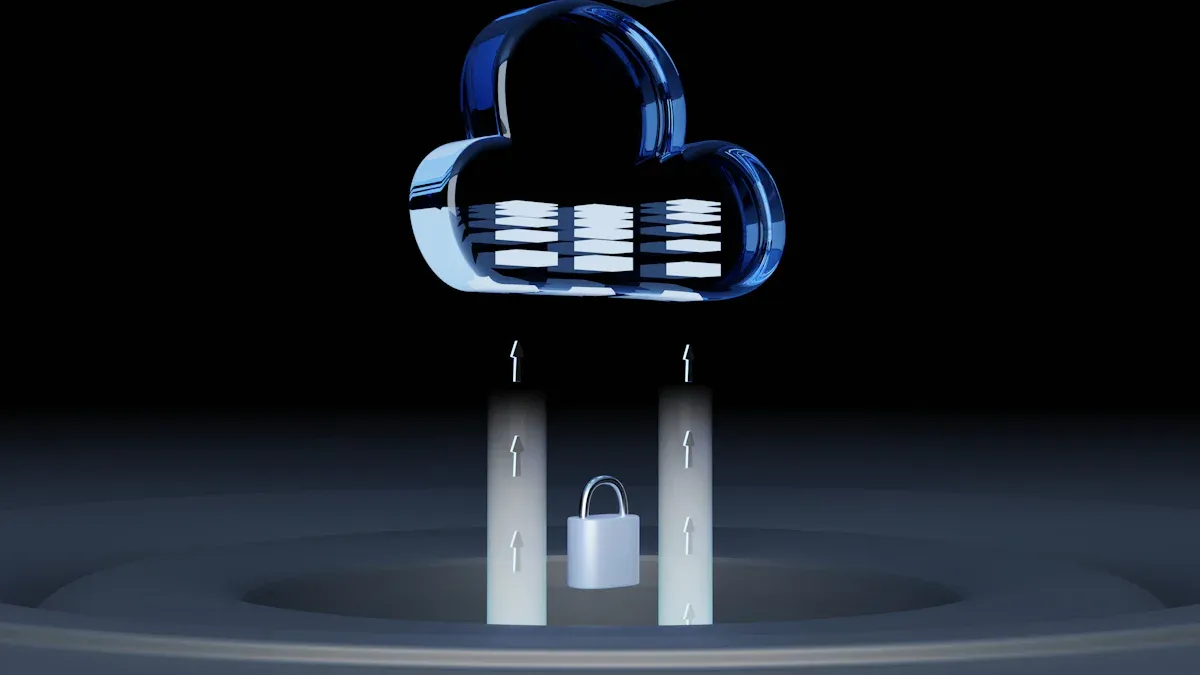
Cloudflare's CDN and DNS Services for AI
Cloudflare helps many online services. It is very important for AI. Its Content Delivery Network (CDN) saves website copies. These copies are closer to users. Data travels a shorter way. AI answers are faster. Cloudflare's Domain Name System (DNS) is like a phonebook. It changes website names to IP addresses. Your request goes to the right AI server. This happens fast. These services are key for AI. ChatGPT and X need them. They need speed. They need to always work. Cloudflare also stops bad attacks. This protects AI services.
Interconnected Web Infrastructure
The internet has many connections. Cloudflare is a key part of this. If Cloudflare has a problem, other things break. I saw this during the outage. One problem can stop many apps. AI services need to always work. They need to be fast. They cannot stop working. If Cloudflare fails, everything stops. AI models cannot work. Users cannot use AI tools. This shows how linked our digital world is.
Cloudflare's Ubiquity and Centrality
Many people use Cloudflare. It is a main part of the internet. Many top AI companies use it. This includes 80% of generative AI companies. Its services are everywhere. Cloudflare handles much internet traffic. It sends requests. It protects many websites. Cloudflare is very important. Problems with it affect many things. It affects many online apps. This includes important AI tools.
Cloudflare Outage: What Happened and Why it Mattered
Cloudflare Outage: Timeline and Technical Details
I remember the cloudflare outage. It was a big event. Cloudflare saw "unusual traffic." It went to one of its services. This traffic caused errors. Cloudflare said, "We don't know why." They fixed the problem first. They would find the cause later. A spokesperson confirmed this. They said traffic "spiked." It hit a Cloudflare service. They did not know why. Fixing errors was the main goal. Then, they would investigate. This major outage showed fast problems.
Impact of the Outage on X and ChatGPT
The outage hit many services. I saw X users report issues. They saw "Can't load your feed?" They could not see posts. Many said X was "down." It was frustrating for them. ChatGPT users also felt it. The cloudflare issue affected them. Cloudflare fixed it. But ChatGPT had problems. "League of Legends" did too. New Jersey Transit also had issues. This global network outage showed our linked digital world.
Operational and Data Flow Disruptions
Problems were more than just websites. The cloudflare outage hurt AI services. Cloudflare's Workers AI stopped. AutoRAG services also stopped. This broke machine learning. Document indexing stopped too. AI workflows could not run. A big problem caused this. It was in Cloudflare’s Workers KV storage. This KV storage used a third party. That provider also had an outage. This double outage broke KV storage. It affected static assets. This storage problem caused errors. Cold reads and writes failed. AI models could not get data. They could not process new info. This outage truly shook AI services.
Ripple Effect: Implications for AI Providers
Dependency Risks and Centralization Concerns
The recent Cloudflare incident showed a big problem. AI services rely too much on a few central points. This creates risks. When a service like Cloudflare goes down, many AI tools stop working. This is a single point of failure. History shows this problem. For example, the 2021 Facebook outage and AWS outages impacted large parts of the internet. Cloudflare outages also disable parts of the web.
Centralized systems have many disadvantages. I have learned about them:
Single Points of Failure: Centralized systems create critical vulnerabilities.
Scaling Limitations: Centralized systems face inherent scaling challenges.
Inefficient Resource Allocation: Centralized systems often use resources inefficiently.
Concentrated Attack Surfaces: Centralization creates attractive targets for adversaries.
Monopolistic Control: This leads to market dynamics that harm innovation and competition.
I also understand the differences between centralized and decentralized AI:
Aspect | Centralized AI | Decentralized AI |
|---|---|---|
Advantages | Resource efficiency, consistency and control (updates, policies, security), concentration of expertise. | Innovation and diversity (broader offerings, ideas), reduced risk of single point of failure. |
Disadvantages | Bias and limited diversity (biases of limited developer groups), privacy and security risks (single point of failure), stifled innovation. | Resource fragmentation, quality control issues, complexity in management (coordinating diverse, dispersed systems, ensuring compatibility and security). |
I believe this table clearly shows why relying on centralized systems like Cloudflare can be risky for AI providers. Decentralized AI offers more resilience.
Financial and Reputational Costs
When a service like Cloudflare has an outage, it costs AI providers a lot. I saw how the recent Cloudflare outage caused immediate financial and reputational damage. When networks fail, essential systems go offline. This makes customers frustrated. A shopper who cannot complete an online purchase loses confidence. This is a direct disruption of core services.
Frequent or long outages make customers lose loyalty. Users will look for more reliable options. A user who experiences many service failures might write bad reviews or switch providers. This erodes trust. Network problems suggest weaknesses in technology and risk management. This makes customers question reliability. Clients who rely on a platform for critical operations might leave. This increases churn risk.
I know that network outages cost businesses a lot. Enterprise customers, including Communication Service Providers, lose over $1.2 million on average. I also learned that 21% of telecom users switch providers after just one bad experience. This shows a direct link between service problems and losing customers. Outages lead to more customer calls, frustration, and brand damage. They also cause higher churn. I think transparent and timely communication during a major outage is very important. It helps reduce negative impacts.
Impact on AI Development and Innovation
Infrastructure outages also slow down AI research and development. I saw how an AWS outage affected an AI-powered system called the Predictive Health Engine. This system was supposed to prevent service problems. But it failed because it used the same internal DNS that went down. The AI lost its ability to see what was happening. It received bad data and gave false alerts. It was "flying blind." The AI tried to fix itself by starting new instances. This made the problem worse by adding more traffic. The control system was broken.
This incident taught me something important. AI's effectiveness depends entirely on the signals it receives. When basic parts like DNS fail, even advanced AI systems stop working. This causes widespread problems. It stops development until people fix the basic infrastructure manually.
I have seen other examples of this problem:
An AWS incident lasted about 15 hours. It disrupted over a thousand services. This shows how cloud infrastructure outages can affect many AI systems.
A global Azure failure also showed how platform problems impact connected services.
A 10-hour ChatGPT downtime highlighted how quickly core AI tool outages lead to lost work time for AI researchers and developers.
These events make me realize that reliable infrastructure is key for AI progress. Without it, innovation slows down.
I always aim to build redundancy into AI service architecture. This means having backup systems ready. I use managed services. They have built-in redundancy. These services spread workloads. They use many instances and regions. I also deploy multiple instances. These are infrastructure components. If one fails, others can take over. Distributing workloads across different availability zones helps too. These zones are close. But they are physically separate. I also use active-active architecture. This means multiple systems run at the same time. They all handle traffic. This ensures immediate failover. I also consider active-passive designs. A primary system handles traffic. A secondary one waits to activate if needed.
I saw the Cloudflare outage. It was a big warning. It showed how weak AI services are. This happens when the internet breaks. I learned AI needs services like Cloudflare. The outage cost money. It hurt reputations. We need big changes now. AI companies must use many different systems. These systems must be strong. They must be spread out. This will stop future problems. I think things must always work. They must be reliable. This keeps users happy. It helps new ideas grow. It protects AI's future.
FAQ
Why did Cloudflare's outage affect AI services so much?
Cloudflare offers important services. These are CDN and DNS. AI services use them. ChatGPT is one example. They need fast speeds. They need to always be on. Cloudflare went down. AI tools lost their link. This made them stop working.
What is a "single point of failure" in this context?
A single point of failure is one system. If it breaks, others fail. Cloudflare is a main hub. Many AI services use it. Its outage showed this danger. It showed how linked the internet is.
How can AI providers prevent future outages?
AI providers should use many systems. They can use many CDN providers. They can put data in different cloud areas. This makes copies. It helps services stay up. This makes AI stronger.
Did the outage impact AI development?
Yes, it did. The outage stopped AI models. They could not get data. Workflows broke. This made research slow. It also stopped new work. Good infrastructure is key for AI.
What are the financial costs of such outages?
Outages cost a lot. Companies lose money. Customers get mad. They might leave. This hurts a company's name. It also makes customers leave. Clear talks help lessen this.
See Also
Exploring Ten Leading AI Website Cloner Alternatives for 2025
Understanding AI Hallucinations: Effective Strategies to Prevent Their Occurrence
Five Essential AI Website Cloners for Non-Developers to Utilize in 2025
Duplicating WordPress Sites on Hostinger Using Advanced AI Website Cloners
Why AI-Generated Websites Remain Discoverable on Google Search in 2025